A practitioner's analysis of the dispute landscape, governing frameworks, and landmark judicial pronouncements across fifteen sectors that drive India's economy.
15
Industries Covered
75
Dispute Categories
TCL
Framework Applied
“Every contract dispute is a failure of foresight. The contract was drafted for a world that no longer exists by the time the dispute arises. Our role is to bridge that gap between what was contemplated and what actually occurred.”
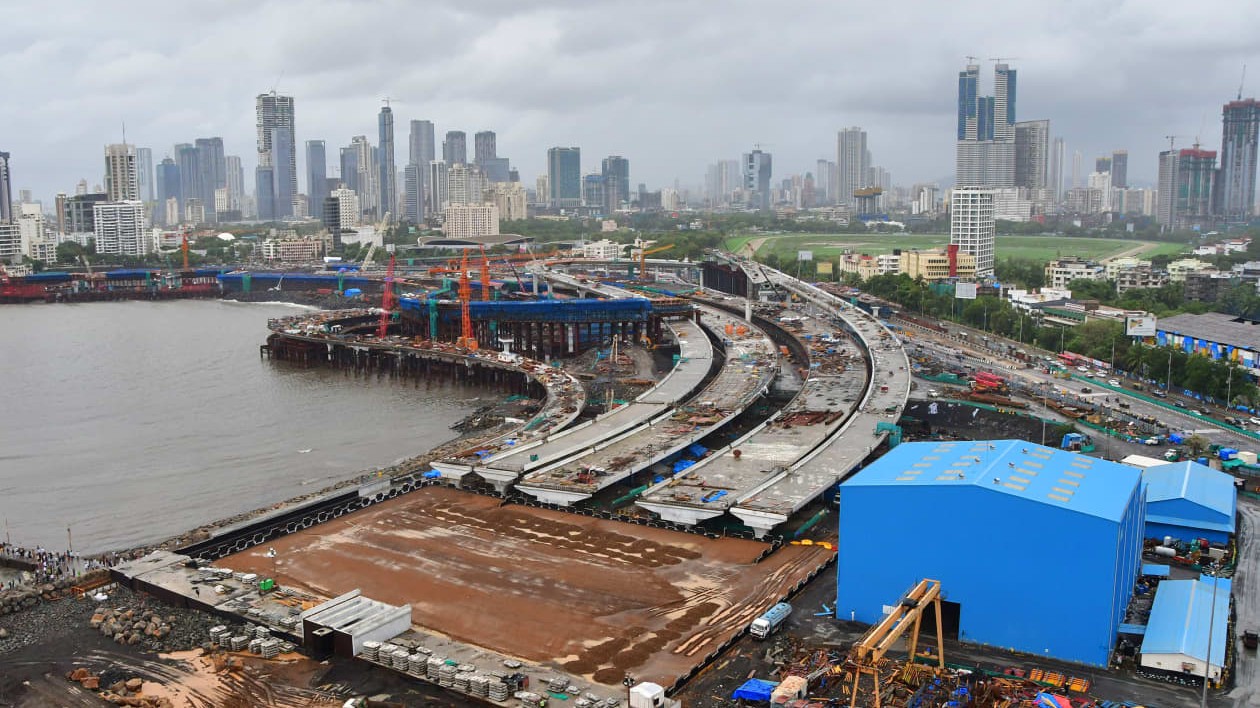
India's infrastructure ambition, from national highways to metro rail networks and smart cities, is delivered almost entirely through concession agreements and EPC contracts. The sheer scale of capital deployed, the involvement of government counterparties, and the long gestation periods of these projects create a dispute landscape unlike any other sector. When a highway authority fails to hand over encumbrance free land on schedule or when a concessionaire encounters soil conditions that bear no resemblance to the geotechnical reports provided during bidding, the contractual consequences cascade through the entire project structure.
Critical Dispute Areas
Delay and Extension of Time Claims
The single largest category of infrastructure disputes in India. Contractors routinely face delays caused by land acquisition failures, utility shifting obligations, and environmental clearance bottlenecks, none of which fall within their contractual risk allocation. Section 73 of the Indian Contract Act governs consequential damages, but judicial interpretation in EPC disputes has narrowed recoverability significantly, making precise documentation of delay events critical from day one.
Force Majeure and Change in Law
Concession agreements drafted before 2020 rarely contemplated the scale of disruption that a pandemic or a sudden regulatory overhaul could cause. The contractual definition of force majeure, whether it is exhaustive or inclusive, determines the entire outcome. Courts have consistently held that mere commercial hardship does not constitute force majeure under Indian law.
Termination Payment Disputes
When a PPP concession is terminated, the calculation of termination payment becomes the central battlefield. Lenders, concessionaires, and government authorities each interpret debt due and equity return clauses differently. The Supreme Court in the Rapid Metro Judgment reinforced that government authorities cannot obstruct or delay termination payments, particularly when 70 percent of project cost is debt financed.
Unforeseeable Ground Conditions
FIDIC based contracts allocate the risk of differing site conditions to the employer, but Indian government contracts frequently attempt to shift this risk entirely to the contractor through broadly worded site inspection clauses. The Delhi High Court in NHAI v. Hindustan Construction Company upheld the contractor's entitlement to revised rates when encountered soil conditions differed materially from tender documents.
Escalation and Price Adjustment Disputes
Fixed price EPC contracts without adequate escalation formulae generate disputes the moment commodity prices or input costs deviate from projections. The Supreme Court in McDermott International v. Burn Standard recognised internationally accepted damage computation formulas including Hudson, Emden, and Eichleay, affirming that Indian law does not restrict their application.
Governing Framework
The Arbitration and Conciliation Act 1996 governs most infrastructure disputes, with institutional arbitration under SIAC, ICC, or domestic bodies like MCIA becoming increasingly common. The National Highways Act 1956, the PPP Concession Agreement templates issued by the Department of Economic Affairs, FIDIC contract conditions, and sector specific regulations such as NHAI circulars form the contractual backbone. Section 34 challenges to arbitral awards remain the primary avenue for judicial scrutiny, though the Supreme Court in Ssangyong Engineering v. NHAI significantly narrowed the scope of intervention.
Landmark Judicial Pronouncement
In Ssangyong Engineering and Construction Co. Ltd. v. NHAI (2019), the Supreme Court established that arbitral awards, even if containing errors of fact or law, cannot be set aside unless they violate the fundamental policy of Indian law. This judgment transformed the enforcement landscape for infrastructure arbitration in India.
02
Construction and Real Estate
Construction and Real Estate
The Dispute Landscape
Construction disputes in India are distinguished by their technical complexity, the involvement of multiple tiers of subcontractors, and the overlay of regulatory frameworks like RERA that have fundamentally altered the contractual relationship between developers, contractors, and buyers. The introduction of the Real Estate (Regulation and Development) Act 2016 brought statutory timelines and penalties into what was previously a purely contractual domain. Delay claims, defect liability disputes, and back to back subcontractor disagreements constitute the bulk of construction litigation and arbitration in India.
Critical Dispute Areas
Delay Claims and Liquidated Damages
Liquidated damages clauses in construction contracts are governed by Section 74 of the Indian Contract Act. The Supreme Court in ONGC v. Saw Pipes Ltd. (2003) held that liquidated damages must represent a genuine pre estimate of loss and cannot be penal in nature. Contractors challenging excessive LD deductions must demonstrate that the stipulated amount bears no reasonable relation to the actual loss suffered.
Defect Liability and Latent Defects
The defect liability period, typically 12 to 24 months post completion, creates a contractual obligation for the contractor to remedy defects at its own cost. Disputes arise when defects manifest after the expiry of this period, particularly structural defects that were not reasonably discoverable during the initial inspection. The allocation of latent defect risk between employer and contractor remains one of the most contested areas in Indian construction law.
RERA Compliance and Contractual Obligations
RERA has introduced a parallel enforcement mechanism that overrides certain contractual provisions between developers and buyers. Registration requirements, mandatory escrow accounts, and penalties for delayed possession have created new categories of disputes that did not exist before 2017. Developers face concurrent exposure under both RERA and their contractual obligations to lenders and contractors.
Back to Back Subcontractor Disputes
Main contractors frequently attempt to pass through employer imposed obligations to subcontractors through back to back clauses. Indian courts have held that such pass through is not automatic and must be expressly and unambiguously drafted. The failure to precisely mirror the terms of the head contract in the subcontract creates gaps that become the subject of disputes when the employer withholds payment or imposes penalties.
Escalation Clause Disputes
When contracts contain price variation clauses tied to published indices such as WPI or specific commodity indices, disputes arise over the base date, the applicable index, and the methodology for calculating adjustments. Contracts that omit escalation provisions entirely expose contractors to the full risk of input cost volatility, leading to claims of frustration or commercial impossibility under Section 56 of the Indian Contract Act.
Governing Framework
The Indian Contract Act 1872, RERA 2016, the Arbitration and Conciliation Act 1996, and FIDIC contract conditions (particularly the Red Book and Yellow Book) form the primary legal framework. The National Consumer Disputes Redressal Commission also exercises jurisdiction over construction defect claims involving individual buyers. State level RERA authorities have emerged as significant adjudicatory bodies with the power to impose penalties up to five percent of estimated project cost.
Landmark Judicial Pronouncement
In Dilip Buildcon Ltd. v. NHAI (2015), the Supreme Court affirmed the effectiveness of arbitration in resolving construction disputes, ordering NHAI to compensate the contractor for delays caused by land acquisition failures. This judgment reinforced the principle that employers cannot transfer the risk of their own default to contractors through broad indemnity clauses.
03
Engineering and Heavy Industries
Engineering and Heavy Industries
The Dispute Landscape
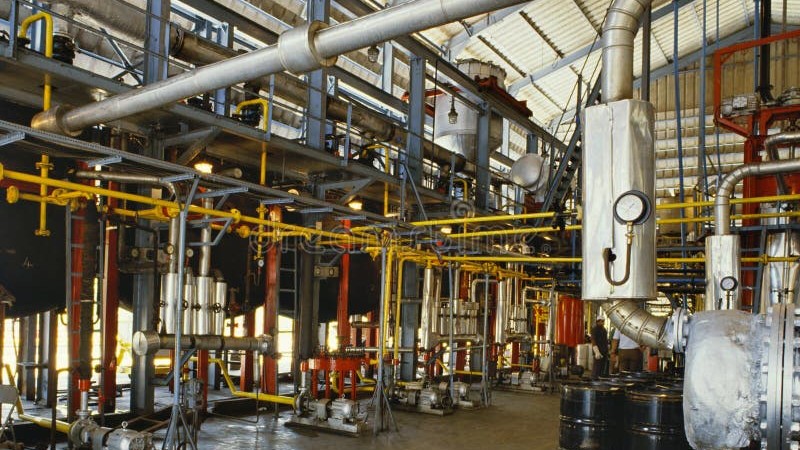
Engineering and heavy industry contracts in India involve high value capital equipment, complex performance specifications, and long lead times that create unique dispute dynamics. Whether the contract concerns the supply of turbines for a power plant, the installation of process equipment for a refinery, or the commissioning of automated production lines, the disputes that arise are almost always rooted in the gap between promised and delivered performance. Warranty claims, performance guarantee disputes, and technology transfer disagreements form the core of this sector's dispute landscape.
Critical Dispute Areas
Performance Guarantee Disputes
Engineering contracts routinely include performance guarantees tied to specific output parameters such as efficiency ratings, production capacity, or emissions compliance. When equipment fails to meet guaranteed parameters during performance testing, the contractual remedy, whether it is liquidated damages capped at a percentage of contract value or the obligation to modify or replace equipment, becomes the focal point of the dispute.
Liquidated Damages for Delay in Commissioning
The delay between mechanical completion and final commissioning frequently generates disputes over the application of liquidated damages. The distinction between delays attributable to the equipment supplier and those caused by the employer's failure to provide utilities, civil works, or interconnection facilities is often poorly documented, leading to protracted claims and counterclaims.
Technology Transfer and Licensing Disputes
Agreements for the transfer of technology or manufacturing know how are susceptible to disputes over the scope of the license, the adequacy of technical documentation provided, and the right to sublicense or modify the technology. Indian courts have consistently held that technology transfer agreements must be interpreted strictly within the four corners of the written contract.
Warranty Claims and Latent Defects
The warranty period for heavy engineering equipment, typically 18 to 36 months from commissioning, is the window during which defects must manifest for the buyer to claim remedial action. Disputes arise when equipment failures occur outside the warranty period but are attributable to design defects or manufacturing flaws that existed at the time of delivery.
Tool and Jig Ownership Disputes
In precision engineering and automotive component manufacturing, the ownership of specialised tools, dies, moulds, and jigs created for a specific contract is a frequent source of disputes. Unless the contract expressly assigns ownership to the buyer upon payment, Indian law treats these as the property of the manufacturer, creating conflicts when the buyer seeks to shift production to an alternative supplier.
Governing Framework
The Indian Contract Act 1872, the Sale of Goods Act 1930, the Indian Arbitration and Conciliation Act 1996, and the Transfer of Technology guidelines issued by DPIIT form the governing framework. International contracts frequently incorporate ICC or LCIA arbitration rules, with the seat of arbitration becoming a contested issue in enforcement proceedings under Part II of the Arbitration Act.
Landmark Judicial Pronouncement
In McDermott International Inc. v. Burn Standard Co. Ltd. (2006), the Supreme Court recognised the applicability of Hudson, Emden, and Eichleay formulas for computing damages in engineering and construction contracts, affirming that Indian adjudicatory bodies are not restricted to domestic methods of damage computation and may apply internationally accepted approaches based on the evidence presented.
04
Mining and Natural Resources
Mining and Natural Resources
The Dispute Landscape
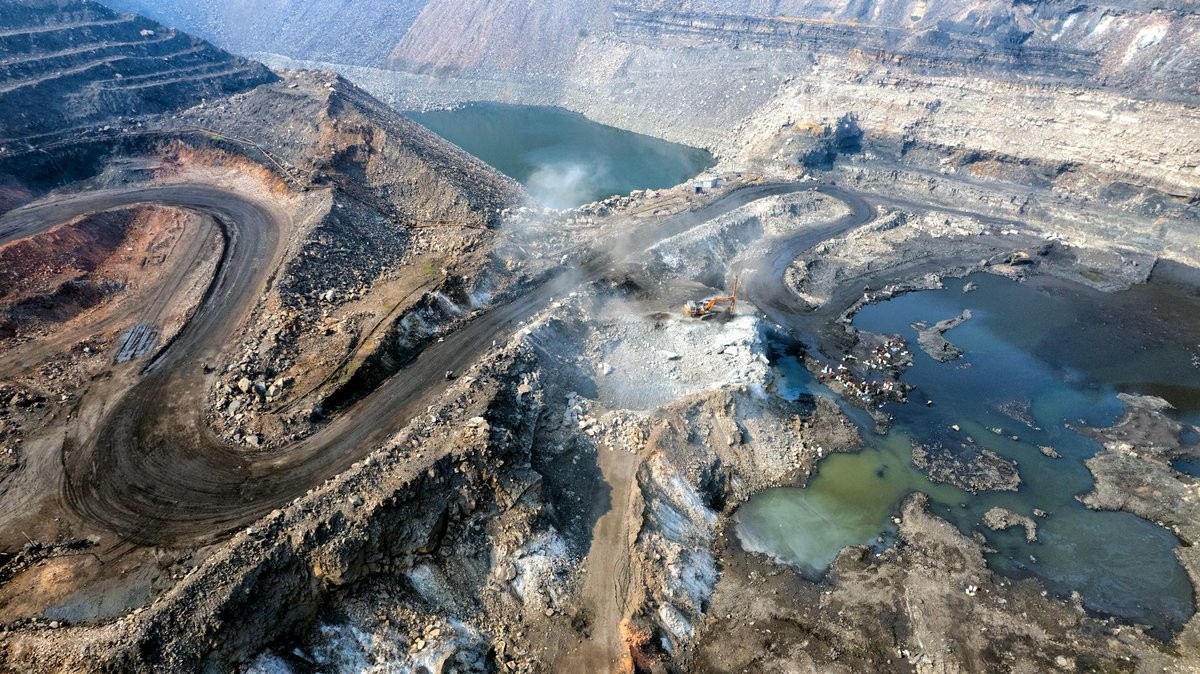
Mining contract disputes in India exist at the intersection of commercial law, environmental regulation, and constitutional principles governing natural resource allocation. The Supreme Court's interventions in coal block allocation, iron ore mining in Goa, and bauxite mining in Odisha have reshaped the entire contractual framework within which mining companies operate. Royalty disagreements, environmental compliance triggering contractual defaults, and the revocation or non renewal of mining leases are the primary categories of disputes.
Critical Dispute Areas
Mining Lease Renewal and Cancellation
The Mines and Minerals (Development and Regulation) Act 1957, as amended in 2015, introduced auction based allocation for all major minerals, fundamentally altering the renewal expectations of existing lease holders. Disputes arise when state governments decline to renew leases or impose conditions that render continued operations commercially unviable. The Supreme Court in its 2018 Goa mining judgment dismissed Vedanta's plea to renew its mining lease, signalling a strict interpretation of renewal provisions.
Royalty and Financial Obligation Disputes
Royalty calculations under the MMDR Act are determined by the central government and vary by mineral and state. Disputes arise when mining companies contest the applicable royalty rate, the methodology for calculating ad valorem royalties, or the imposition of additional state levies such as district mineral foundation contributions.
Environmental Compliance and Contractual Default
Environmental clearances under the Environment Protection Act 1986 and the Forest Conservation Act 1980 impose conditions that can conflict with the terms of mining contracts. A suspension of environmental clearance automatically triggers contractual default provisions, creating cascading disputes across the supply chain with off take buyers, transporters, and equipment lessors.
Government Allocation Controversies
The Supreme Court's cancellation of 214 coal block allocations in 2014 demonstrated that government allocated mining rights can be revoked on grounds of arbitrary allocation, creating existential risk for companies that have invested in mine development based on those allocations. The subsequent auction process generated its own disputes over reserve price determination and eligibility criteria.
Indigenous Rights and Community Consent
The Supreme Court's 2013 Niyamgiri judgment directed that gram sabhas must decide whether mining projects on scheduled tribe land can proceed, grounding this requirement in the Forest Rights Act 2006. This created a new category of contractual risk where valid mining leases and environmental clearances can be overridden by community refusal, leaving mining companies with no contractual remedy against the government that granted the lease.
Governing Framework
The MMDR Act 1957, the Coal Mines (Special Provisions) Act 2015, the Environment Protection Act 1986, the Forest Conservation Act 1980, the Forest Rights Act 2006, and the Indian Contract Act 1872 form the multi layered regulatory framework. Arbitration clauses in mining contracts face unique challenges because disputes frequently involve government policy decisions that may not be arbitrable under Indian law.
Landmark Judicial Pronouncement
In Orissa Mining Corporation v. Ministry of Environment and Forest (2013), the Supreme Court empowered local village councils under the Forest Rights Act to determine whether bauxite mining by Vedanta in the Niyamgiri Hills could proceed, affirming indigenous rights over contractual and commercial interests. This judgment established that free, prior, and informed consent of affected communities is a constitutional requirement that overrides contractual arrangements.
05
Oil and Gas
Oil and Gas
The Dispute Landscape
India's oil and gas sector operates under a regulatory architecture that combines production sharing contracts, revenue sharing agreements, and sector specific regulation by the Petroleum and Natural Gas Regulatory Board. The capital intensive nature of exploration and production, the involvement of state owned entities like ONGC and Oil India, and the overlay of government policy on pricing and allocation create a dispute environment of exceptional complexity. The shift from the New Exploration Licensing Policy to the Hydrocarbon Exploration and Licensing Policy has introduced new categories of disputes around revenue sharing and cost recovery.
Critical Dispute Areas
Production Sharing Contract Disputes
The allocation of profit petroleum between the government and the contractor under PSCs has generated some of the highest value disputes in Indian commercial law. Disagreements over cost recovery, the treatment of capital expenditure, and the measurement of production volumes have led to international arbitrations running into billions of dollars. The interpretation of "cost petroleum" under NELP PSCs remains a contested area.
Gas Migration and Reservoir Connectivity
The dispute between Reliance Industries and ONGC concerning gas migration in the Krishna Godavari Basin, involving claims of approximately USD 1.55 billion, illustrates the unique technical and legal complexities of subsurface disputes. The Delhi High Court in 2024 reversed an arbitral award in favour of the RIL consortium on grounds of patent illegality and breach of the public trust doctrine, reclassifying what the parties contended was international arbitration as domestic.
Joint Operating Agreement Disputes
JOAs between exploration partners allocate operational control, cost sharing, and decision making authority. Disputes typically arise over the operator's expenditure authority, the approval process for development programmes, and the consequences of a partner's failure to fund its proportionate share of costs. Default provisions that allow the non defaulting party to acquire the defaulting partner's interest at a discount are frequently contested.
Pipeline Access and Offtake Disputes
Access to pipeline infrastructure and the enforcement of offtake commitments generate disputes when market conditions change. Long term gas supply agreements with take or pay obligations expose buyers to significant financial liability when demand declines, while sellers face disputes over the quality specifications and measurement methodology applied at delivery points.
Regulatory Overlay and Policy Change Disputes
Government decisions on gas pricing, marketing freedom, and the extension or modification of PSC terms create disputes that straddle the boundary between contractual and sovereign action. The Panna Mukta Tapti arbitration involving ONGC, British Gas, and Reliance exemplifies how disputes over royalty reimbursement and tax treatment can escalate from contractual disagreements to international proceedings that span decades.
Governing Framework
The Petroleum and Natural Gas Regulatory Board Act 2006, the Oilfields (Regulation and Development) Act 1948, the Petroleum Act 1934, the New Exploration Licensing Policy, the Hydrocarbon Exploration and Licensing Policy, the Arbitration and Conciliation Act 1996, and bilateral investment treaties form the governing framework. International arbitration under ICC or ad hoc UNCITRAL rules is the standard dispute resolution mechanism for PSCs, though enforcement of awards in India remains subject to Section 48 challenges.
Landmark Judicial Pronouncement
In Government of India v. Vedanta Limited (formerly Cairn India Ltd.) (2020), the Supreme Court addressed the interpretation of production sharing contracts and the scope of arbitral authority in disputes involving sovereign interests. The Panna Mukta Tapti arbitration, spanning from 2010 to the present, involving ONGC, British Gas, and Reliance, remains one of the longest running contractual disputes in India's oil and gas sector.
06
Chemicals and Petrochemicals
Chemicals and Petrochemicals
The Dispute Landscape
India's chemicals and petrochemicals sector, which the government targets to grow to USD 1 trillion by 2040, generates contract disputes that are shaped by the volatile nature of raw material pricing, stringent product specification requirements, and complex cross border supply chains. The sector's dependence on imported feedstock, particularly naphtha and natural gas based intermediates, creates contractual vulnerability to international price fluctuations that fixed price supply agreements are poorly equipped to absorb. Specification non conformance, pricing formula disputes, and supply chain disruptions constitute the dominant dispute categories.
Critical Dispute Areas
Supply Chain Disruptions and Force Majeure
Chemical supply chains are uniquely sensitive to disruption because downstream processes depend on the continuous availability of specific grades and concentrations. When a supplier invokes force majeure to excuse non delivery, the buyer faces cascading production losses that often exceed the value of the supply contract itself. Indian courts apply a strict interpretation of force majeure, requiring the event to be truly unforeseeable and beyond the control of the invoking party.
Specification Non Conformance and Rejection
Chemical products are sold against detailed specifications covering purity, concentration, particle size, and contamination thresholds. When delivered product fails to meet specifications, the buyer's right to reject depends on whether the deviation constitutes a breach of condition or a breach of warranty under the Sale of Goods Act 1930. The distinction between these two categories determines whether the buyer can terminate or is limited to claiming damages.
Pricing Formula and Indexation Disputes
Long term chemical supply agreements frequently link pricing to published indices or reference prices such as Platts or ICIS assessments. Disputes arise when the reference index is discontinued, when parties disagree on the applicable adjustment methodology, or when one party contends that the formula no longer reflects market reality and seeks renegotiation under changed circumstances.
Exclusive Supply and Offtake Obligations
Agreements requiring a manufacturer to supply exclusively to one buyer or a buyer to purchase exclusively from one supplier create disputes when market conditions make the exclusivity economically disadvantageous. Indian competition law under the Competition Act 2002 provides an additional ground for challenging exclusive supply arrangements that restrict competition in the relevant market.
Environmental and Safety Compliance Obligations
Chemical companies operate under stringent environmental regulations that can impose operational restrictions affecting their ability to perform contractual obligations. The Manufacture, Storage and Import of Hazardous Chemical Rules 1989 and the Environment Protection Act 1986 create regulatory obligations that override contractual commitments, generating disputes when compliance costs or operational restrictions render contract performance commercially unviable.
Governing Framework
The Indian Contract Act 1872, the Sale of Goods Act 1930, the Competition Act 2002, the Environment Protection Act 1986, the Manufacture Storage and Import of Hazardous Chemical Rules 1989, and the Chemical Weapons Convention Act 2000 form the regulatory framework. International supply disputes are typically governed by ICC arbitration rules, with the CISG potentially applicable to cross border sales where both parties are in contracting states.
Landmark Judicial Pronouncement
In Kailash Nath Associates v. DDA (2015), the Supreme Court elaborated on the principles governing Section 74 of the Indian Contract Act, clarifying that while proof of actual damage may not always be dispensed with, reasonable compensation not exceeding the stipulated amount can be awarded when actual loss is difficult to quantify. This principle applies directly to chemical supply contracts where consequential losses from specification failures can be difficult to measure precisely.
07
Manufacturing
Manufacturing
The Dispute Landscape
India's manufacturing sector, energised by the Make in India initiative and the Production Linked Incentive scheme, operates through intricate networks of OEM supplier relationships, tolling arrangements, and contract manufacturing agreements. The disputes that emerge from these relationships reflect the tension between the buyer's demand for quality, cost, and delivery performance and the supplier's need for commercial certainty and protection against unilateral changes in specifications or volumes. Quality rejection claims, minimum offtake disputes, and the ownership of specialised tooling are the recurring themes.
Critical Dispute Areas
OEM Supplier Disputes and Quality Rejections
Automotive and industrial OEMs impose stringent quality standards through supplier quality manuals that form part of the contract. Disputes arise when the OEM rejects consignments based on quality parameters that the supplier contends were not specified at the time of order or were unilaterally tightened during the contract period. The contractual right to reject must be exercised within the time and manner prescribed by the Sale of Goods Act 1930.
Minimum Offtake and Volume Commitment Disputes
Long term supply agreements frequently include minimum annual purchase obligations that the buyer must fulfil or compensate the supplier for the shortfall. When market demand declines, buyers seek to invoke contractual exit clauses, renegotiate volumes, or argue that the minimum was an estimate rather than a binding commitment. The precise drafting of the volume commitment clause determines the outcome.
Plant Shutdown and Consequential Loss Claims
When a supplier's failure to deliver a critical component causes the buyer's production line to shut down, the consequential losses in terms of lost production, idle labour, and downstream delivery penalties can be enormous. The applicability of the remoteness doctrine under Section 73 of the Indian Contract Act and the enforceability of contractual limitation of liability clauses determine the extent of the supplier's exposure.
Tool and Die Ownership Disputes
In contract manufacturing, the buyer frequently funds the creation of specialised tools, dies, and moulds but leaves them in the possession of the manufacturer. Disputes arise when the relationship ends and the buyer demands return of the tooling while the manufacturer asserts a lien for unpaid invoices or claims ownership based on its own design contribution.
Contract Manufacturing and Tolling Agreement Disputes
Tolling arrangements where the buyer provides raw material and the manufacturer converts it into finished product generate disputes over conversion losses, yield rates, and the manufacturer's liability for material wastage beyond agreed tolerances. The contractual allocation of risk for material damage, theft, or deterioration while in the manufacturer's custody is frequently inadequate.
Governing Framework
The Indian Contract Act 1872, the Sale of Goods Act 1930, the Consumer Protection Act 2019, the Competition Act 2002, and sector specific standards such as BIS specifications and PPAP/APQP requirements form the governing framework. Automotive sector disputes increasingly adopt institutional arbitration under MCIA or SIAC rules, while SME disputes often proceed under the MSMED Act 2006 which provides for facilitation council arbitration.
Landmark Judicial Pronouncement
In Fateh Chand v. Balkishan Das (1963), the Supreme Court established the foundational principle that compensation under Section 74 of the Indian Contract Act must be reasonable and cannot be penal in nature. This judgment remains the touchstone for assessing liquidated damages in manufacturing supply contracts where the stipulated amount bears no relation to the actual loss.
08
IT and Technology Services
IT and Technology Services
The Dispute Landscape
India's position as the world's largest IT services exporter creates a distinctive dispute landscape shaped by master services agreements, statements of work, and service level agreements that govern billions of dollars in annual contract value. The intangible nature of software deliverables, the difficulty of measuring service quality objectively, and the rapid evolution of technology create disputes that are qualitatively different from those in traditional industries. The Digital Personal Data Protection Act 2023 has added an entirely new dimension by imposing statutory obligations on data processors that override contractual arrangements.
Critical Dispute Areas
SLA Breaches and Service Credit Disputes
Service level agreements define measurable performance parameters such as system uptime, response time, and resolution time. When the service provider fails to meet these parameters, the contractual remedy is typically a service credit rather than damages. Disputes arise over the measurement methodology, the exclusion of downtime caused by the client's infrastructure, and whether accumulated service credit breaches constitute a material breach entitling the client to terminate.
IP Ownership in Bespoke Software Development
The default position under Indian copyright law vests ownership of software in the author, not the commissioning party, unless the contract expressly assigns ownership. Disputes arise when the contract is ambiguous about whether the client acquires ownership of the source code, a perpetual license, or merely a limited use license. The distinction between foreground IP developed specifically for the client and background IP that the service provider brought to the engagement is a recurring battleground.
Scope Creep and Change Order Disputes
Technology projects are inherently susceptible to scope evolution as business requirements crystallise during development. Disputes arise when the client requests additional functionality that the service provider considers outside the original scope, while the client contends that the requests are clarifications of existing requirements. The absence of a formal change order process in the contract converts every scope discussion into a potential dispute.
Data Processing and DPDPA Compliance Disputes
The Digital Personal Data Protection Act 2023 imposes direct obligations on data processors that cannot be contractually excluded. Data processing agreements that pre date the Act may allocate DPDPA compliance obligations in ways that conflict with the statutory framework, creating disputes over which party bears the cost of compliance and the liability for data breaches.
Vendor Lock In and Exit Management Disputes
Long term IT outsourcing arrangements create technological dependency that makes transition to an alternative provider costly and disruptive. Disputes arise during exit management when the incumbent provider is alleged to have structured systems in a way that maximises switching costs, or when the contractual transition assistance obligations are insufficiently detailed to ensure a smooth handover.
Governing Framework
The Indian Contract Act 1872, the Information Technology Act 2000, the Digital Personal Data Protection Act 2023, the Copyright Act 1957, and the Arbitration and Conciliation Act 1996 form the primary framework. Cross border IT services disputes are frequently governed by ICC or SIAC arbitration rules, with the choice of governing law between Indian law and the client's jurisdiction being a heavily negotiated term.
Landmark Judicial Pronouncement
In ONGC v. Saw Pipes Ltd. (2003), the Supreme Court upheld the enforceability of liquidated damages clauses where the stipulated amount represents a genuine pre estimate of loss. This principle is routinely applied in IT services disputes where SLA penalties and service credits serve as contractually agreed compensation for performance failures.
09
Financial Services and Banking
Financial Services and Banking
The Dispute Landscape
Banking and financial services contract disputes in India operate within one of the most heavily regulated environments in the country. The Reserve Bank of India's regulatory oversight, SEBI's capital market regulations, and the Insolvency and Bankruptcy Code have created a multi layered framework where contractual rights are frequently subordinated to regulatory mandates and statutory priorities. Loan documentation disputes, guarantee enforcement, inter creditor agreement conflicts, and derivative contract close outs generate disputes that can threaten the stability of financial institutions and their counterparties.
Critical Dispute Areas
Loan Documentation and Security Enforcement Disputes
Disputes over the interpretation of loan agreements, the validity of security interests, and the lender's right to enforce security arise with particular frequency when borrowers face financial distress. The SARFAESI Act 2002 provides banks with non judicial enforcement powers, but disputes over the classification of assets as NPAs, the valuation of secured assets, and the right of the borrower to redeem the secured asset before enforcement generate significant litigation.
Guarantee Enforcement and Invocation Disputes
The invocation of bank guarantees and corporate guarantees is one of the most litigated areas in Indian commercial law. The Supreme Court has consistently held that bank guarantees are independent contracts and must be honoured on invocation unless fraud or irretrievable injustice is established. Disputes nevertheless arise over the conditions precedent to invocation, the validity of the demand, and the guarantor's right to assert defences available to the principal debtor.
Inter Creditor Agreement Disputes
When multiple lenders provide credit to the same borrower, the inter creditor agreement allocates security, voting rights, and distribution waterfalls among them. Disputes arise when the resolution professional under IBC proposes a plan that treats secured creditors differently, or when a dissenting creditor contends that the ICA's voting mechanism does not bind it to a resolution plan that impairs its security interest.
Derivative Contract Close Out Disputes
The close out and netting of derivative contracts upon an event of default raises disputes over the calculation of termination amounts, the determination of market quotations, and the enforceability of netting provisions under Indian law. RBI's regulatory framework for OTC derivatives and the ISDA Master Agreement interact in ways that create ambiguity when Indian law governs the agreement.
Regulatory Trigger Events and Contractual Consequences
RBI's classification of a borrower as an NPA, the imposition of prompt corrective action on a bank, or the revocation of a licence triggers contractual consequences across multiple agreements simultaneously. Cross default clauses, material adverse change provisions, and mandatory prepayment triggers create cascading disputes when a single regulatory event affects an entire portfolio of contracts.
Governing Framework
The RBI Act 1934, the Banking Regulation Act 1949, the SARFAESI Act 2002, the Insolvency and Bankruptcy Code 2016, the SEBI Act 1992, the Indian Contract Act 1872, and the Negotiable Instruments Act 1881 form the governing framework. Disputes involving banks are frequently resolved through Debt Recovery Tribunals, NCLT proceedings, and arbitration, though RBI regulated matters may fall outside the scope of arbitration.
Landmark Judicial Pronouncement
In Mobilox Innovations Pvt. Ltd. v. Kirusa Software Pvt. Ltd. (2017), the Supreme Court clarified the threshold for admitting insolvency proceedings under Section 9 of the IBC, establishing that the existence of a dispute must be a real dispute supported by evidence and not merely a spurious claim designed to defeat an otherwise valid application. This judgment governs the intersection of contractual disputes and insolvency proceedings across the financial services sector.
10
Telecommunications
Telecommunications
The Dispute Landscape
The Indian telecommunications sector has produced some of the highest value contract and regulatory disputes in the country's commercial history. The Adjusted Gross Revenue controversy alone involved claims exceeding INR 1.47 lakh crore. Spectrum sharing agreements, tower company disputes, interconnection disagreements, and revenue share calculations generate disputes that are shaped as much by TRAI and DoT regulatory decisions as by the contracts themselves. The sector's consolidation from a dozen operators to effectively three private players has created disputes around merger undertakings, spectrum trading, and the assumption of liabilities.
Critical Dispute Areas
AGR and Revenue Share Disputes
The Supreme Court's 2019 judgment in the AGR case, holding that adjusted gross revenue includes all revenue streams and not just revenue from core telecom services, generated claims of INR 1.47 lakh crore against telecom operators. This judgment overturned two decades of industry practice and self assessment filings, creating retrospective liability that several operators could not absorb. The contractual implications extended to vendor agreements, infrastructure sharing contracts, and financing arrangements that had been priced on the basis of the pre judgment interpretation.
Spectrum Sharing and Trading Disputes
Spectrum sharing agreements between operators allocate capacity, interference management obligations, and cost sharing responsibilities. Disputes arise when one party's usage patterns affect the other's network quality, when the agreed sharing ratio no longer reflects actual usage, or when regulatory changes alter the terms under which spectrum was originally allocated.
Tower Company and Infrastructure Sharing Disputes
The separation of passive infrastructure into tower companies created long term master service agreements that govern the relationship between operators and tower companies. Disputes over energy cost pass through, tower relocation obligations, minimum commitment tenures, and exit penalties are common, particularly when operator consolidation reduces the number of tenancies on shared towers.
Interconnection and Access Charge Disputes
Interconnection agreements between operators define the terms on which calls and data are exchanged between networks. TRAI's periodic revision of interconnect usage charges and the shift to bill and keep arrangements generate disputes over the applicable rate, the settlement of outstanding balances, and the quality of interconnection provided.
Merger and Acquisition Related Contractual Disputes
The consolidation of the telecom sector has generated disputes over the assumption of pre existing contractual liabilities, the treatment of vendor contracts in merged entities, and the enforcement of change of control provisions in spectrum licences and tower agreements. The merged entity's obligations under the pre merger contracts of both constituent operators create overlapping and sometimes conflicting commitments.
Governing Framework
The Indian Telegraph Act 1885, the TRAI Act 1997, the Unified Licence conditions issued by DoT, the Competition Act 2002, the Arbitration and Conciliation Act 1996, and the Indian Contract Act 1872 form the regulatory framework. TDSAT (Telecom Disputes Settlement and Appellate Tribunal) has exclusive jurisdiction over telecom disputes, though its orders are appealable to the Supreme Court.
Landmark Judicial Pronouncement
In Union of India v. Association of Unified Telecom Service Providers of India (2019), the Supreme Court's AGR judgment redefined the calculation of adjusted gross revenue for licence fee purposes, creating retrospective liability exceeding INR 1.47 lakh crore. This judgment demonstrated that regulatory interpretation can override contractual assumptions and commercial practice built up over two decades.
11
Retail and E Commerce
Retail and E Commerce
The Dispute Landscape
India's retail and e commerce sector operates at the intersection of traditional distribution law, emerging platform regulation, and consumer protection frameworks. The absence of a dedicated franchise law means that franchise disputes are resolved under general contract law principles, creating inconsistency in judicial outcomes. Marketplace seller agreements, exclusive distribution arrangements, and brand licensing contracts generate disputes that reflect the fundamental tension between platform power and seller autonomy.
Critical Dispute Areas
Franchise Agreement Disputes
India lacks a dedicated franchise law, forcing courts to adjudicate franchise disputes under the Indian Contract Act, trademark law, and competition law. The Supreme Court's approach in Gujarat Bottling Co. v. Coca Cola established that restrictive clauses in franchise agreements, such as prohibitions on dealing with competitors, are subject to scrutiny under competition law. The absence of statutory protection for franchisees means that the franchise agreement itself is the sole source of the franchisee's rights.
Marketplace Seller Agreement Disputes
E commerce marketplace platforms impose terms of service on sellers that govern listing policies, pricing restrictions, commission structures, and dispute resolution. Sellers who invest in building their business on a platform face existential risk when the platform unilaterally modifies these terms or delists their products. The Competition Commission of India has investigated allegations that platforms favour certain sellers through preferential listing and exclusive arrangements.
Exclusive Distribution and Territorial Restriction Disputes
Exclusive distribution agreements that restrict a distributor to a specified territory or channel are common in FMCG, consumer electronics, and fashion. Disputes arise when the brand appoints additional distributors within the exclusive territory or when online sales by the brand or other distributors undercut the exclusive distributor's pricing.
Brand Licensing and Trademark Usage Disputes
Brand licensing agreements grant the licensee the right to use a trademark for manufacturing or retail purposes. Disputes arise over the quality control obligations imposed by the licensor, the licensee's right to sublicense, and the consequences of the licensee's failure to meet minimum royalty or sales targets. Indian trademark law requires that the licensor retain quality control to prevent the licence from being treated as an unregistered user arrangement.
Consumer Protection and Return Policy Disputes
The Consumer Protection Act 2019 and the Consumer Protection (E Commerce) Rules 2020 impose mandatory obligations on e commerce entities regarding return policies, grievance redressal, and product liability. Contractual clauses that purport to limit consumer rights below the statutory minimum are void and unenforceable, creating disputes when platforms and sellers attempt to enforce restrictive return or refund policies.
Governing Framework
The Indian Contract Act 1872, the Consumer Protection Act 2019, the Consumer Protection (E Commerce) Rules 2020, the Competition Act 2002, the Trade Marks Act 1999, the FDI Policy on E Commerce, and the Arbitration and Conciliation Act 1996 form the governing framework. The absence of a dedicated franchise law has been noted by the Economic Advisory Council to the Prime Minister, which has recommended the enactment of specific franchise legislation.
Landmark Judicial Pronouncement
In Gujarat Bottling Co. Ltd. v. Coca Cola Co. (1995), the Supreme Court addressed restrictive covenants in franchise agreements, establishing that clauses prohibiting a franchisee from dealing with competitors must be assessed for reasonableness under Indian contract law and competition principles. This judgment remains the leading authority on the enforceability of non compete obligations in franchise relationships.
12
Consultancy and Professional Services
Consultancy and Professional Services
The Dispute Landscape
Consultancy and professional services contracts present unique dispute challenges because the deliverable is expert judgment rather than a tangible product. The subjectivity inherent in evaluating whether advisory services meet the contractual standard, combined with the high value of engagements and the potential for catastrophic loss if advice proves wrong, creates a dispute landscape where the boundaries between professional negligence and contractual breach are frequently blurred. Fee disputes, scope creep, limitation of liability enforcement, and intellectual property ownership in deliverables are the primary categories.
Critical Dispute Areas
Scope Creep and Additional Fee Disputes
Consultancy engagements almost invariably evolve beyond the original scope as the client's understanding of the problem deepens. The absence of a formal change management process in the engagement letter means that the consultant performs additional work without fee agreement, leading to disputes when the consultant seeks additional compensation and the client contends that the work was within the original scope.
Limitation of Liability Enforcement
Professional services agreements routinely cap the consultant's liability at the fee paid under the engagement. Indian courts have not yet definitively ruled on whether such caps are enforceable where the loss far exceeds the fee, though Section 74 of the Indian Contract Act and general principles of reasonableness suggest that courts will scrutinise caps that bear no relation to the foreseeable risk.
Non Compete and Non Solicitation Disputes
Post engagement restrictive covenants that prevent a consultant from serving the client's competitors or soliciting the client's employees are common but face enforceability challenges under Section 27 of the Indian Contract Act, which renders agreements in restraint of trade void. Indian courts have carved out limited exceptions for reasonable restraints during the subsistence of a contract, but post termination non competes remain largely unenforceable.
IP Ownership in Advisory Deliverables
Reports, frameworks, models, and analyses produced during a consultancy engagement raise questions about who owns the intellectual property in the deliverables. Unless the contract expressly assigns IP to the client, the consultant retains copyright under the Copyright Act 1957. Disputes intensify when the deliverables incorporate the consultant's pre existing proprietary methodologies or tools.
Professional Negligence and Standard of Care
When consultancy advice leads to adverse outcomes, the client may allege that the consultant failed to exercise the standard of care expected of a reasonably competent professional in that field. The distinction between a breach of the duty of care and a contractual warranty that a specific outcome will be achieved is critical. Indian courts apply the Bolam test, assessing whether the professional acted in accordance with a practice accepted as proper by a responsible body of professionals.
Governing Framework
The Indian Contract Act 1872, the Copyright Act 1957, the Competition Act 2002, the Arbitration and Conciliation Act 1996, and professional regulatory bodies such as ICAI, BCI, and ICSI form the governing framework. Professional negligence claims may also be brought under the Consumer Protection Act 2019 where the services fall within the definition of a deficiency in service.
Landmark Judicial Pronouncement
In Superintendence Company of India v. Krishan Murgai (1981), the Supreme Court held that Section 27 of the Indian Contract Act renders void any post employment agreement in restraint of trade, except for restraints during the subsistence of the contract. This judgment continues to govern the enforceability of non compete clauses in consultancy and professional services engagements.
13
Energy and Renewables
Energy and Renewables
The Dispute Landscape
India's commitment to 500 GW of non fossil fuel capacity by 2030 has created an unprecedented volume of renewable energy contracts, each carrying dispute risks that are distinct from conventional power generation. Power purchase agreements between generators and DISCOMs, EPC contracts for solar and wind projects, and land lease agreements for project sites form the contractual foundation. The intersection of state level tariff regulation, central government policy on renewable purchase obligations, and the financial health of distribution companies creates a dispute environment where contractual rights are frequently hostage to regulatory and political decisions.
Critical Dispute Areas
PPA Tariff and Payment Disputes
Distribution companies facing financial stress have repeatedly attempted to renegotiate or repudiate PPAs entered at tariffs that now exceed prevailing market rates. The Andhra Pradesh government's attempt to renegotiate wind and solar PPAs in 2019 triggered nationwide concern among investors and lenders. Contractual sanctity of PPA tariffs is essential for project financing, and any attempt to revise tariffs retroactively undermines the bankability of future renewable energy projects.
Change in Law Claims
Renewable energy PPAs typically include change in law provisions that entitle the generator to compensation when legislative or regulatory changes affect project economics. Disputes arise over the scope of the change in law clause, whether the imposition of GST on solar modules constitutes a qualifying change, and the methodology for calculating the financial impact. CERC and APTEL have developed a body of jurisprudence on change in law claims that is evolving rapidly.
Grid Curtailment and Deemed Generation Disputes
When the grid operator curtails the dispatch of renewable energy due to grid congestion or oversupply, generators claim compensation for deemed generation, the electricity they would have produced but for the curtailment. The contractual right to deemed generation compensation depends on the specific PPA terms and the applicable state electricity regulatory commission's regulations.
Land Lease and Right of Way Disputes
Solar and wind projects require large land parcels secured through long term leases, typically 25 to 30 years. Disputes arise when landowners challenge the lease terms, when government land allotments are revoked, or when right of way permissions for transmission lines are denied or delayed. These disputes frequently involve state revenue authorities and create force majeure like delays in project commissioning.
EPC Contractor Defaults in Renewable Projects
The compressed timelines for commissioning renewable energy projects, driven by tariff validity deadlines and PPA commissioning schedules, create intense pressure on EPC contractors. When contractors fail to commission the project by the scheduled date, the developer faces liquidated damages under the PPA and the loss of the tariff rate. The resulting disputes between the developer and the EPC contractor over delay responsibility, defective equipment, and performance shortfalls are among the most contentious in the renewable energy sector.
Governing Framework
The Electricity Act 2003, the National Electricity Policy 2005, the National Tariff Policy 2016, CERC and SERC tariff regulations, the Arbitration and Conciliation Act 1996, and the Indian Contract Act 1872 form the governing framework. APTEL (Appellate Tribunal for Electricity) has appellate jurisdiction over CERC and SERC orders, and its decisions are appealable to the Supreme Court. Renewable energy disputes increasingly involve international arbitration where the project company has foreign shareholders invoking bilateral investment treaty protections.
Landmark Judicial Pronouncement
The Supreme Court's 2015 judgment in Hindustan Zinc v. Rajasthan Electricity Regulatory Commission reinforced the mandate for industries to comply with renewable purchase obligations, empowering state regulators to impose penalties for non compliance. This judgment established that RPO compliance is not optional and that contractual arrangements cannot be structured to circumvent the statutory obligation to procure renewable energy.
14
Pharmaceuticals and Healthcare
Pharmaceuticals and Healthcare
The Dispute Landscape
India's pharmaceutical industry, which supplies over 50 percent of global generic medicine demand, generates contract disputes that are shaped by the intersection of commercial law, intellectual property regulation, and drug regulatory requirements. Contract research and manufacturing (CRAM) agreements, API supply contracts, licensing and royalty arrangements, and clinical trial agreements create a web of contractual relationships where regulatory compliance failures in one agreement can cascade across the entire value chain.
Critical Dispute Areas
CRAM Contract Disputes
Contract research and manufacturing organisations operate under agreements that require them to meet exacting quality standards, regulatory filing timelines, and production volumes. Disputes arise when the CRAM provider fails FDA or WHO GMP inspections, causing the sponsor to lose market access in regulated markets. The contractual allocation of regulatory risk between the sponsor and the CRAM provider, including indemnification for product liability claims arising from manufacturing defects, is frequently inadequate.
API Supply Agreement Disputes
Active pharmaceutical ingredient supply agreements involve stringent specifications for purity, polymorphic form, and impurity profiles. When the supplied API fails to meet specifications and the finished dosage form manufacturer faces batch rejections or regulatory action, the consequential losses can exceed the value of the supply contract by orders of magnitude. Disputes over acceptance testing protocols, the right to inspect the supplier's manufacturing facility, and the supplier's obligation to maintain drug master file registrations are common.
Licensing and Royalty Disputes
Pharmaceutical licensing agreements grant the licensee the right to manufacture, market, and sell a drug product in specified territories. Disputes arise over royalty calculations, the definition of net sales for royalty purposes, the licensee's obligation to use commercially reasonable efforts to market the product, and the licensor's right to audit the licensee's sales records. The termination of a licence for material breach triggers disputes over the licensee's obligation to sell off existing inventory and return proprietary information.
Clinical Trial Agreement Disputes
Clinical trial agreements between pharmaceutical sponsors and clinical research organisations or hospital sites allocate responsibility for patient safety, regulatory compliance, and intellectual property in trial data. Disputes arise when adverse events occur during the trial, when the sponsor terminates the trial prematurely, or when the trial results are different from expectations and the parties disagree on the obligation to continue development.
Regulatory Approval Contingencies
Pharmaceutical contracts frequently make the parties' obligations contingent on obtaining regulatory approvals from CDSCO, FDA, or EMA. When the approval is delayed, denied, or granted with conditions that alter the commercial proposition, disputes arise over whether the contingency has been satisfied, whether the parties's obligations have lapsed, and whether the failure to obtain approval constitutes a breach or a frustrating event under Section 56 of the Indian Contract Act.
Governing Framework
The Indian Contract Act 1872, the Drugs and Cosmetics Act 1940, the Patents Act 1970, the Indian Patent Rules 2003, the CDSCO regulatory framework, the Arbitration and Conciliation Act 1996, and international regulatory standards including FDA 21 CFR and WHO GMP form the governing framework. Cross border pharmaceutical disputes are typically resolved through ICC or SIAC arbitration, with the choice between Indian law and the law of the licensing party's jurisdiction being a critical negotiation point.
Landmark Judicial Pronouncement
In Novartis AG v. Union of India (2013), the Supreme Court upheld the rejection of a patent application for an incremental modification of an existing compound under Section 3(d) of the Patents Act, establishing that India's patent law requires a genuine therapeutic advancement for patent protection. This judgment has profound implications for licensing and royalty disputes where the validity of the underlying patent is contested.
15
Logistics and Supply Chain
Logistics and Supply Chain
The Dispute Landscape
India's logistics sector, valued at USD 160 billion and employing over 22 million people, generates contract disputes that reflect the sector's structural challenges including inadequate warehousing infrastructure, complex multi modal transport chains, and the involvement of multiple intermediaries between the shipper and the consignee. Freight contract disputes, warehousing liability claims, cold chain breach allegations, and customs brokerage disagreements form the primary dispute categories. The sector's rapid growth, driven by e commerce and GST induced supply chain reorganisation, has outpaced the evolution of contractual frameworks.
Critical Dispute Areas
Freight Contract and Carrier Liability Disputes
The Carriage by Road Act 2007 imposes liability on common carriers for loss, damage, or non delivery of goods, but allows contractual limitation of liability subject to statutory minimums. Disputes arise when cargo is damaged or lost in transit and the parties disagree on the applicable limitation amount, the carrier's right to invoke contractual exclusions, and the burden of proving negligence versus inherent defect in the goods.
Warehousing Liability and Bailment Disputes
Warehouse operators act as bailees under the Indian Contract Act and owe a duty of reasonable care to the goods stored. Disputes arise when goods are damaged by water ingress, pest infestation, or temperature fluctuation and the parties disagree on whether the warehouse operator exercised the standard of care required. The Warehousing (Development and Regulation) Act 2007 introduces a regulatory overlay that creates additional obligations for registered warehouses.
Cold Chain Breach Claims
Temperature sensitive goods including pharmaceuticals, food products, and chemicals require unbroken cold chain maintenance from origin to destination. When temperature excursions occur during transit or storage, the resulting product loss can be catastrophic. Disputes centre on the point at which the breach occurred, the adequacy of temperature monitoring equipment, and the contractual allocation of cold chain maintenance responsibility between the shipper, the transport provider, and the warehouse operator.
Last Mile Delivery SLA Failures
E commerce logistics contracts impose stringent delivery timelines measured in hours rather than days. When the logistics provider fails to meet the SLA due to address discrepancies, customer unavailability, or operational capacity constraints, the e commerce platform may impose penalties that exceed the delivery fee. Disputes arise over the reasonableness of these penalties, the adequacy of the platform's address verification systems, and the logistics provider's right to invoke force majeure for delivery area specific disruptions.
Customs Brokerage and Documentation Disputes
Customs brokers act as agents of the importer or exporter and are responsible for accurate classification, valuation, and documentation of goods for customs clearance. Disputes arise when incorrect classification leads to duty demands, when delays in clearance cause demurrage and detention charges, and when the customs broker's professional indemnity insurance is insufficient to cover the importer's loss. The Customs Act 1962 and the Customs Broker Licensing Regulations 2018 impose statutory obligations on brokers that override contractual limitations.
Governing Framework
The Indian Contract Act 1872, the Carriage by Road Act 2007, the Indian Carriage of Goods by Sea Act 1925, the Multimodal Transportation of Goods Act 1993, the Warehousing (Development and Regulation) Act 2007, the Customs Act 1962, the Commercial Courts Act 2015, and the Arbitration and Conciliation Act 1996 form the governing framework. Admiralty jurisdiction of High Courts applies to maritime cargo disputes, while commercial courts established under the 2015 Act handle high value logistics disputes with mandatory pre institution mediation.
Landmark Judicial Pronouncement
In Indian Oil Corporation v. Amritsar Gas Service (1991), the Supreme Court established the principle of repudiatory breach in supply and distribution contracts, holding that a party's refusal to perform its contractual obligations entitles the other party to treat the contract as at an end and claim damages. This judgment is frequently applied in logistics disputes where one party abandons the contract mid performance.
Frequently Asked Questions
Contract Dispute Resolution in India
Which industries in India generate the highest value contract disputes?
Oil and gas, telecommunications, and infrastructure consistently generate the highest value disputes. The AGR controversy alone involved claims exceeding INR 1.47 lakh crore. Oil and gas production sharing contract disputes have involved claims of USD 1.55 billion. Infrastructure arbitrations routinely involve claims in the hundreds of crores.
Is arbitration mandatory for commercial contract disputes in India?
Arbitration is not mandatory unless the contract contains an arbitration clause. However, the Arbitration and Conciliation Act 1996, as amended in 2015 and 2019, has made institutional arbitration the preferred mechanism for high value commercial disputes. Courts will refer parties to arbitration when a valid arbitration agreement exists, refusing to entertain civil suits on the merits.
Can force majeure be invoked in Indian contracts after COVID 19?
Whether force majeure can be invoked depends entirely on the contractual definition. Indian law does not recognise a general doctrine of force majeure independent of the contract. If the contract contains an exhaustive list of force majeure events and pandemic is not listed, the party seeking relief must rely on Section 56 of the Indian Contract Act, which provides for frustration only when performance becomes impossible, not merely more expensive or commercially difficult.
How are liquidated damages enforced in Indian contract disputes?
Section 74 of the Indian Contract Act allows recovery of reasonable compensation not exceeding the stipulated amount, whether or not actual damage is proved. The Supreme Court in Fateh Chand v. Balkishan Das (1963) and ONGC v. Saw Pipes (2003) established that liquidated damages must be a genuine pre estimate of loss and not penal in nature. Courts will reduce the stipulated amount if it is disproportionate to the actual or foreseeable loss.
What is the limitation period for filing a contract dispute claim in India?
Under the Limitation Act 1963, the limitation period for a suit on a written contract is three years from the date when the right to sue accrues. For arbitration, Section 43 of the Arbitration Act applies the same limitation periods as would apply to court proceedings. The date of accrual is determined by when the breach occurs, not when the damage is discovered, except in cases of continuing breach.
Are non compete clauses in Indian contracts enforceable?
Section 27 of the Indian Contract Act renders void any agreement in restraint of trade. Post termination non compete clauses are generally unenforceable in India. The Supreme Court in Superintendence Company of India v. Krishan Murgai (1981) held that restraints during the subsistence of a contract are permissible, but restrictions that survive termination violate Section 27. This applies across all industries, from IT services to consultancy.
How does the DPDPA 2023 affect existing contracts in India?
The Digital Personal Data Protection Act 2023 imposes statutory obligations on data fiduciaries and data processors that cannot be contracted out of. Existing contracts that allocate data protection responsibilities in ways that conflict with the Act must be amended to comply. Data processing agreements that pre date the Act may expose parties to liability if the contractual allocation of breach notification, consent management, or data erasure obligations does not align with statutory requirements.
What role does the TCL Framework play in contract dispute resolution?
The TCL Framework developed by AMLEGALS analyses every contract dispute from three perspectives: Technical, examining the operational and factual matrix of the dispute; Commercial, assessing the financial exposure and business impact; and Legal, applying the applicable statutory framework and judicial precedent. This integrated approach ensures that dispute resolution strategy is informed by commercial reality rather than conducted in a legal vacuum.
Facing a Contract Dispute?
AMLEGALS applies the TCL Framework to every contract dispute, integrating technical analysis, commercial strategy, and legal precision. With extensive practice across 15 industries and 10 offices across India, we bring institutional depth to complex commercial disagreements.